In an era where storytelling transcends traditional boundaries, transmedia narratives have emerged as revolutionary frameworks that reshape how audiences engage with fictional universes. These interconnected story worlds invite participants to explore narratives across multiple platforms, creating immersive experiences that deepen engagement and foster unprecedented creative collaboration.

The evolution from single-medium storytelling to complex, multi-platform narratives represents a fundamental shift in how creators conceptualize and audiences consume content. This transformation reflects changing consumption habits, technological advancements, and audience expectations for richer, more participatory entertainment experiences.
🌐 Understanding the Transmedia Storytelling Revolution
Transmedia storytelling represents a narrative technique where a single story or story experience unfolds across multiple platforms and formats, with each medium making distinctive contributions to the whole. Unlike traditional adaptations that simply reproduce content across different media, transmedia narratives expand the story world through coordinated, complementary experiences.
Henry Jenkins, who popularized the term, described transmedia storytelling as a process where integral elements of a fiction get dispersed systematically across multiple delivery channels for the purpose of creating unified and coordinated entertainment experiences. Each medium does what it does best, allowing stories to unfold in ways that maximize their emotional impact and audience engagement.
The power of transmedia lies in its ability to create entry points for diverse audience segments while rewarding dedicated fans who follow narratives across platforms. Casual viewers might enjoy a film or television series at surface level, while committed participants can dive deeper through comics, games, web experiences, and social media extensions.
📱 The Multi-Platform Ecosystem of Modern Narratives
Contemporary transmedia story worlds leverage an unprecedented array of platforms and formats to build comprehensive fictional universes. Films and television series often serve as anchor media, establishing core narratives and characters that audiences can explore through complementary experiences.
Digital platforms have democratized transmedia production, enabling creators with varying budgets to develop multi-platform narratives. Social media channels function as real-time story extensions, allowing characters to maintain persistent presence between major releases. Podcasts deliver narrative depth through audio storytelling, while mobile applications create interactive touchpoints that blend gameplay with story progression.
Print and Digital Publishing in Transmedia Frameworks
Books, comics, and graphic novels remain vital components of transmedia ecosystems, offering narrative depth and backstory that visual media cannot accommodate within runtime constraints. These formats excel at internal character perspectives, world-building details, and complex mythologies that enrich the broader narrative universe.
Digital publishing platforms have expanded accessibility, allowing audiences worldwide to access transmedia content simultaneously. E-books with embedded multimedia elements blur boundaries between traditional reading and interactive experiences, while webcomics and serialized fiction create ongoing narrative threads that maintain audience engagement between major releases.
Interactive Gaming as Narrative Extension
Video games represent perhaps the most immersive transmedia format, transforming audiences from passive observers into active participants. Games allow players to inhabit story worlds, make consequential decisions, and experience narratives from unique perspectives that complement canonical storylines.
The integration of gaming into transmedia frameworks ranges from mobile puzzle games offering casual engagement to massive multiplayer experiences that serve as persistent virtual spaces within fictional universes. These interactive experiences generate player-driven stories that expand narrative possibilities beyond creator intentions.
🎬 Case Studies in Transmedia Excellence
Examining successful transmedia implementations reveals strategic approaches that maximize audience engagement while maintaining narrative coherence across platforms. These examples demonstrate how coordinated storytelling across media creates synergistic effects that exceed the sum of individual components.
The Marvel Cinematic Universe exemplifies large-scale transmedia world-building, coordinating films, television series, comics, games, and digital content into a cohesive narrative tapestry. Each property contributes unique story elements while maintaining continuity within an expansive fictional universe that rewards dedicated followers.
Star Wars has evolved from a film franchise into a transmedia empire spanning movies, animated series, novels, comics, games, theme park experiences, and social media activations. The franchise demonstrates how transmedia approaches can sustain audience engagement across generations, continually expanding story worlds through diverse entry points.
Independent Transmedia Innovations
Transmedia storytelling is not exclusive to entertainment conglomerates with massive budgets. Independent creators have developed innovative multi-platform narratives using accessible digital tools and guerrilla marketing techniques. These projects often experiment with audience participation mechanisms that blur lines between creators and consumers.
Web series like “The Lizzie Bennet Diaries” reimagined classic literature through vlogs, social media profiles, and interactive elements that invited audiences into character lives. Such projects demonstrate how creativity and strategic platform use can compensate for limited financial resources while building engaged communities.
🧩 Building Coherent Transmedia Story Worlds
Constructing effective transmedia narratives requires meticulous planning, internal consistency, and strategic platform selection. Creators must develop comprehensive story bibles that establish world rules, character motivations, historical timelines, and thematic continuity that guide content across all platforms.
Successful transmedia worlds balance accessibility and depth, ensuring new audiences can engage with any entry point while rewarding committed participants who explore multiple platforms. This requires careful calibration of narrative dependencies, avoiding situations where understanding core stories requires consuming content across all media.
Maintaining Canonical Consistency
As story worlds expand across platforms, maintaining internal consistency becomes increasingly challenging. Transmedia projects require dedicated continuity management to prevent contradictions that undermine audience immersion. Story coordinators track narrative developments across properties, ensuring that character arcs, plot revelations, and world details align cohesively.
Flexibility within consistency allows different creators to contribute distinctive voices while respecting established parameters. The best transmedia frameworks provide clear boundaries and possibilities, enabling creative exploration without compromising narrative integrity.
Strategic Platform Selection and Content Optimization
Not every story element suits every platform. Effective transmedia design matches content types with media strengths, leveraging the unique capabilities of each format. Action sequences excel in visual media, while complex political intrigue might be better explored through novels or audio dramas.
Platform selection also considers audience behaviors and consumption contexts. Mobile content suits fragmented attention and on-the-go consumption, while premium streaming series accommodate deeper narrative immersion. Social media extensions maintain presence during production gaps, sustaining engagement between major releases.
👥 Audience Participation and Co-Creation
Transmedia narratives fundamentally transform audience relationships with stories, shifting from passive consumption toward active participation and co-creation. Digital platforms enable unprecedented dialogue between creators and audiences, with fan theories, discussions, and creative works influencing canonical developments.
Participatory culture surrounding transmedia properties generates user-created content that extends narratives beyond official productions. Fan fiction, artwork, videos, and discussions expand story worlds through collective imagination, creating distributed authorship that challenges traditional creator-audience hierarchies.
Interactive Storytelling and Player Agency
Some transmedia projects incorporate explicit mechanisms for audience input, allowing participants to influence narrative directions through voting, gameplay decisions, or creative contributions. These interactive elements create investment through agency, transforming audiences into stakeholders with personal connections to story outcomes.
However, balancing audience participation with narrative coherence presents challenges. Creators must determine which story elements remain fixed and which can flexibly respond to audience input without compromising overall narrative quality or thematic intentions.
📊 The Business Models Behind Transmedia Ventures
Transmedia storytelling requires sustainable economic models that justify investments across multiple platforms. Traditional media financing based on individual projects struggles to accommodate interconnected properties with distributed revenue streams and long-term audience development strategies.
Successful transmedia ventures typically combine direct revenue from content sales with ancillary income from merchandise, licensing, experiences, and subscriptions. The franchise model allows initial properties to establish audiences and brand recognition that subsequent extensions can monetize through diverse channels.
Monetization Strategies Across Platforms
Different platforms offer distinct monetization opportunities. Theatrical releases and premium streaming generate direct revenue, while free-to-access content on social media and YouTube builds audiences for monetizable properties. Games employ various models including premium purchases, free-to-play with microtransactions, and subscription services.
The transmedia approach extends intellectual property value by creating multiple touchpoints for audience spending. Fans invested in story worlds demonstrate willingness to purchase across formats, from novels and comics to collectibles and experiential events.
🚀 Technology Enabling Transmedia Innovation
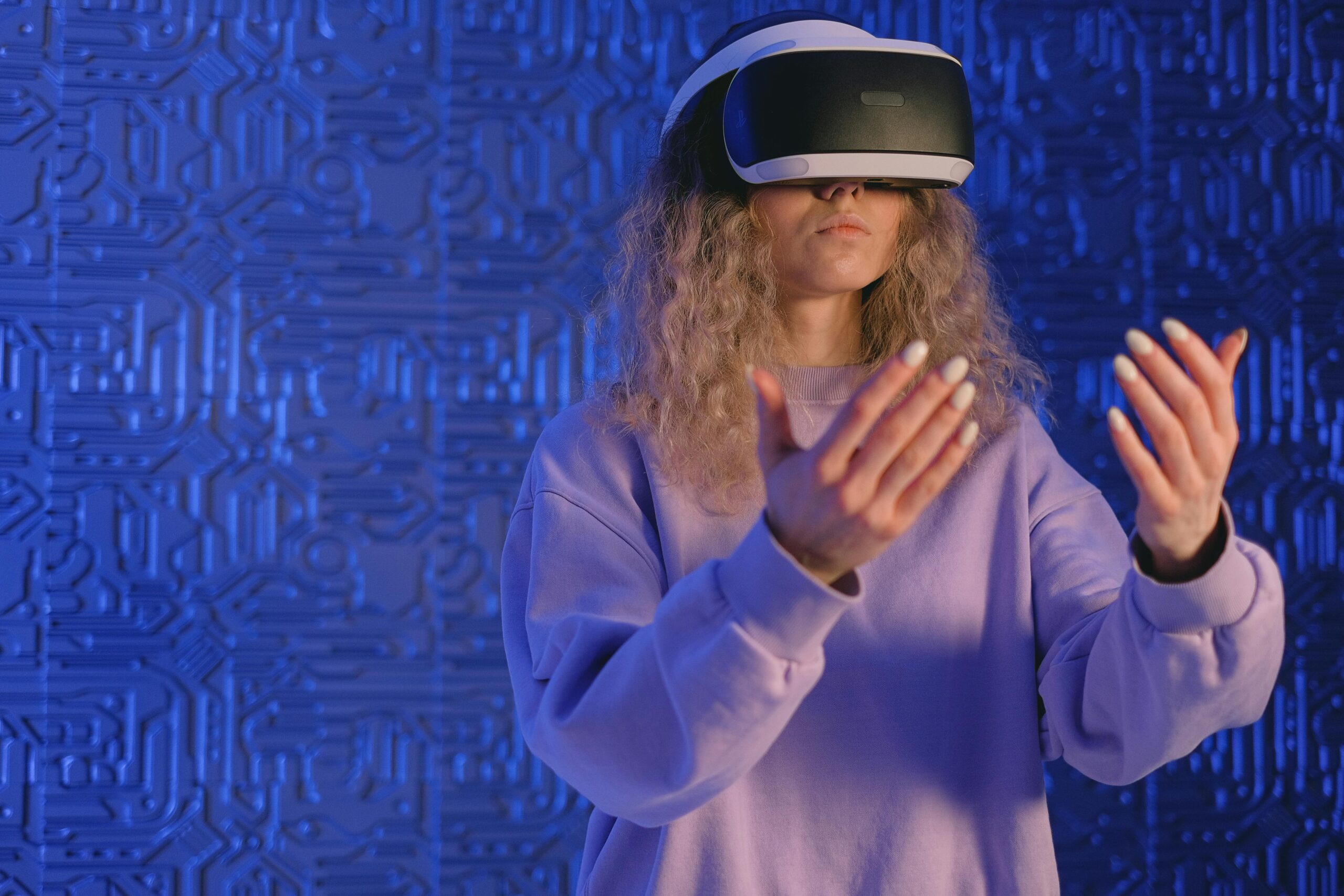
Technological advancements continuously expand transmedia possibilities, introducing new platforms and interactive capabilities. Virtual reality and augmented reality technologies create immersive experiences that place audiences directly within story worlds, offering unprecedented presence and spatial storytelling opportunities.
Artificial intelligence and machine learning enable personalized narrative experiences that adapt to individual preferences and behaviors. These technologies could eventually support truly dynamic stories that generate unique experiences for each participant while maintaining narrative coherence.
Blockchain and NFTs in Transmedia Ecosystems
Emerging technologies like blockchain introduce possibilities for verified ownership of digital story assets and decentralized narrative development. While controversial and experimental, these technologies could enable new forms of audience investment and participation in transmedia properties.
Smart contracts might automate revenue sharing for collaborative story creation, while tokenized story elements could create economies around fictional universes. However, these applications remain largely speculative, with practical implementations still exploring viability and audience acceptance.
🎯 Challenges and Considerations in Transmedia Production
Despite creative possibilities, transmedia storytelling presents significant challenges. Coordinating content across platforms requires complex project management, with productions spanning different timelines, creative teams, and distribution partners. Budget constraints often force compromises that limit ideal transmedia implementations.
Audience fragmentation across platforms means no single property reaches all participants, requiring strategic decisions about which story elements remain platform-specific and which are essential to core narratives. Creators must avoid alienating audiences who engage with limited platforms while rewarding those who explore extensively.
The Risk of Complexity and Audience Fatigue
Overly complex transmedia frameworks can overwhelm audiences, creating barriers to entry rather than multiple access points. The Marvel Cinematic Universe increasingly faces criticism that understanding current films requires extensive knowledge of previous properties across multiple platforms.
Maintaining audience engagement across extended transmedia campaigns requires careful pacing and quality control. Poor execution in one medium can damage the entire franchise, while excessive content production risks saturating audiences and diminishing each property’s impact.
🌟 The Future of Transmedia Storytelling
Transmedia narratives will continue evolving alongside technological capabilities and audience expectations. The boundaries between entertainment, gaming, social experiences, and virtual environments will further blur, creating persistent story worlds that audiences inhabit rather than simply consume.
Artificial intelligence may enable responsive narratives that generate personalized story experiences within established worlds, while virtual production techniques will reduce costs and increase creative possibilities for visual storytelling across platforms.
The democratization of production tools empowers diverse voices to create transmedia narratives reflecting varied perspectives and cultural contexts. As global connectivity increases, transmedia properties will increasingly incorporate cross-cultural elements that resonate with international audiences.
💡 Creating Your Own Transmedia Story World
Aspiring creators can develop transmedia narratives by starting with strong core concepts that naturally extend across multiple platforms. Begin with comprehensive world-building that establishes rich details, complex characters, and thematic depth that sustain exploration beyond initial stories.
Strategic planning determines which platforms best serve different narrative elements based on available resources and target audiences. Independent creators should focus on achievable implementations rather than attempting to replicate studio-scale productions, leveraging accessible platforms like social media, podcasts, and web series.
Building engaged communities around story worlds creates foundations for sustainable transmedia development. Audiences invested in narratives become advocates who promote properties, create derivative works, and support expansions through purchases and subscriptions.

🔮 Boundless Imagination Across Infinite Platforms
Transmedia storytelling represents the natural evolution of narrative in an interconnected, multi-platform media landscape. By distributing stories across complementary formats, creators build richer fictional universes that engage audiences through multiple touchpoints and participation levels.
The power of transmedia lies not merely in expanding content volume but in creating synergistic relationships between properties that deepen emotional resonance and imaginative possibility. Each platform contribution enriches the whole, transforming isolated entertainment products into comprehensive story worlds.
As technology advances and audience expectations evolve, transmedia approaches will increasingly define mainstream entertainment. The creators who master coordinated storytelling across platforms while maintaining narrative coherence and audience accessibility will shape the future of how humanity experiences and participates in fictional universes. The boundaries of imagination expand with every new platform, format, and technology, offering unlimited potential for those willing to explore transmedia’s creative frontiers.