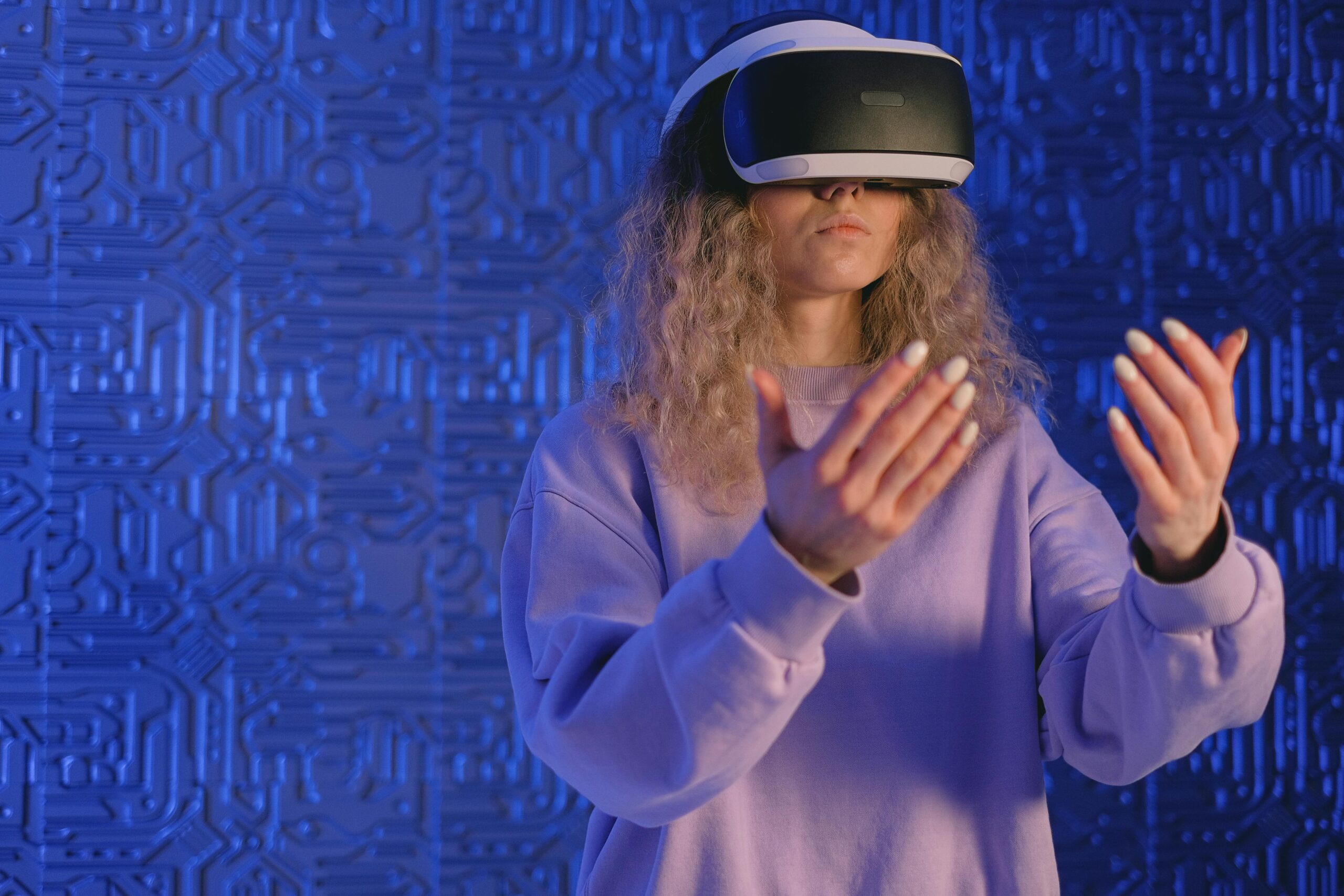
Augmented reality is transforming how professionals learn, practice, and perfect their skills across industries worldwide. This revolutionary technology is creating safer, more efficient training environments while dramatically improving performance outcomes.

The integration of AR into professional development represents a fundamental shift in how organizations approach workforce training and skill enhancement. By overlaying digital information onto the physical world, AR technology enables hands-free learning experiences that were previously impossible, bridging the gap between theoretical knowledge and practical application in real-world scenarios.
🚀 The AR Training Revolution: Breaking Traditional Barriers
Traditional training methods have long struggled with limitations that AR technology elegantly solves. Classroom-based learning often fails to replicate real-world conditions, while on-the-job training can expose workers to unnecessary risks. AR creates an immersive middle ground where trainees experience realistic scenarios without the associated dangers or costs.
Manufacturing facilities, healthcare institutions, and aviation companies are leading the charge in AR adoption. These industries have discovered that hands-free AR training reduces learning curves by up to 40% compared to conventional methods. Workers equipped with AR-enabled smart glasses or headsets can access step-by-step instructions, safety warnings, and performance metrics without ever taking their eyes off their work.
The technology’s ability to provide contextual information in real-time transforms complex procedures into manageable tasks. A maintenance technician, for example, can see highlighted components that need attention, receive guided instructions for repairs, and verify their work against digital specifications—all while keeping both hands free to complete the actual task.
Hands-Free Learning: The Future of Skill Development
The hands-free aspect of AR training cannot be overstated. Unlike tablet-based training that requires workers to constantly switch between screens and tasks, AR maintains continuous visual engagement with the work environment. This seamless integration reduces cognitive load and allows learners to focus on skill acquisition rather than navigation between different information sources.
Voice commands and gesture controls enable trainees to advance through lessons, request additional information, or flag difficulties without interrupting their workflow. This natural interaction model mirrors how experienced workers mentor newcomers, creating an intuitive learning experience that feels less like formal training and more like guided practice.
Real-Time Feedback Mechanisms 💡
AR systems provide immediate performance feedback that accelerates skill mastery. Computer vision algorithms can track hand movements, tool positioning, and task completion accuracy, offering corrections and suggestions in the moment. This instant feedback loop helps learners identify and correct mistakes before they become ingrained habits.
The system can also adjust difficulty levels dynamically based on individual performance. Advanced learners receive more complex scenarios and less guidance, while those struggling with specific skills get additional support and practice opportunities. This personalized approach ensures optimal learning progression for every trainee regardless of their starting skill level.
Enhanced Safety Through Immersive Risk Simulation
Safety training has been revolutionized by AR’s ability to simulate hazardous situations without exposing workers to actual danger. Electrical workers can practice high-voltage procedures in AR environments that accurately replicate risk factors without any electrical current. Emergency responders can train for disaster scenarios that would be impossible or prohibitively expensive to stage physically.
The psychological impact of realistic simulations prepares workers for high-stress situations in ways that classroom lectures never could. When faced with actual emergencies, AR-trained personnel demonstrate significantly better decision-making and procedural recall because they’ve essentially “experienced” similar situations during training.
Reducing Workplace Accidents and Incidents
Statistics from early AR training adopters reveal compelling safety improvements. Companies implementing comprehensive AR safety training report accident reductions ranging from 25% to 60% within the first year. These improvements stem from better hazard recognition, improved procedural compliance, and increased worker confidence in handling dangerous situations.
AR training also addresses the human factors that contribute to workplace accidents. By repeatedly exposing workers to safety protocols in realistic contexts, the technology helps transform safety procedures from abstract rules into ingrained behavioral patterns. Workers who’ve practiced emergency responses in AR simulations react more quickly and appropriately when real incidents occur.
Performance Optimization Through Data-Driven Insights 📊
AR training systems generate valuable performance data that organizations can analyze to optimize both individual and team performance. Every interaction, every completed task, and every error provides insights into skill development patterns and training effectiveness.
This data-driven approach enables managers to identify skill gaps across their workforce, customize training programs to address specific weaknesses, and measure training ROI with unprecedented precision. Organizations can track how quickly employees master new skills, which training modules prove most effective, and where additional support is needed.
Continuous Performance Improvement
The learning doesn’t stop after initial training. AR systems support ongoing performance optimization by providing experienced workers with advanced guidance for complex or infrequent tasks. An experienced surgeon might use AR guidance during a rarely performed procedure, while a veteran mechanic could reference AR instructions when working on unfamiliar equipment.
This continuous support model reduces errors even among skilled professionals and enables organizations to maintain high performance standards across their entire workforce. Workers appreciate having reliable assistance available whenever uncertainty arises, reducing stress and improving job satisfaction.
Industry-Specific Applications Transforming Professional Training
Different industries are leveraging AR training in innovative ways tailored to their specific needs and challenges. Understanding these applications provides insight into AR’s versatility and transformative potential across professional sectors.
Healthcare and Medical Training 🏥
Medical professionals are using AR to practice complex surgical procedures, learn anatomy through interactive 3D models, and develop diagnostic skills. Surgical residents can perform virtual operations dozens of times before entering an actual operating room, building muscle memory and procedural knowledge without risk to patients.
Nursing staff use AR to practice IV insertion, medication administration, and emergency response protocols. The technology accurately simulates patient conditions, allowing nurses to develop clinical judgment and technical skills simultaneously. Medical schools report that AR-trained students demonstrate significantly higher competency levels than those trained exclusively through traditional methods.
Manufacturing and Industrial Operations
Factory workers use AR to learn assembly procedures, equipment operation, and quality control processes. The technology overlays assembly instructions directly onto workpieces, showing exactly where components should be placed and how connections should be made. This visual guidance reduces assembly errors by up to 90% among new workers.
Maintenance teams benefit from AR systems that provide equipment schematics, troubleshooting guides, and repair procedures contextually overlaid on the actual machinery. Technicians can see inside equipment through AR visualizations, identifying problems and planning repairs before disassembling anything.
Aviation and Aerospace ✈️
Aircraft maintenance represents one of AR training’s most successful applications. The complexity of modern aircraft makes traditional training extremely time-consuming and expensive. AR systems guide technicians through maintenance procedures with step-by-step instructions precisely aligned with aircraft components.
Pilots use AR flight simulators that combine physical cockpit environments with augmented visual systems, creating highly realistic training scenarios. These hybrid simulators cost significantly less than full-motion flight simulators while providing comparable training effectiveness for many procedures.
Overcoming Implementation Challenges
Despite AR training’s obvious benefits, organizations face several challenges when implementing these systems. Understanding and addressing these obstacles is crucial for successful AR training program deployment.
Technology Selection and Integration
Choosing appropriate AR hardware requires careful consideration of workplace conditions, task requirements, and budget constraints. Smart glasses work well for hands-free guidance during manual tasks, while tablet-based AR suits planning and review activities. Some organizations implement hybrid approaches using different devices for different training applications.
Integration with existing training management systems, learning platforms, and operational databases presents technical challenges. Successful implementations typically involve phased rollouts that allow IT teams to resolve integration issues before full-scale deployment.
Content Development Requirements
Creating effective AR training content requires specialized skills combining instructional design, 3D modeling, and software development. Organizations must either develop internal capabilities or partner with AR content creation specialists. The initial content development investment can be substantial, but reusable content reduces long-term training costs significantly.
Content must be regularly updated to reflect procedure changes, equipment updates, and lessons learned from training data analysis. Establishing sustainable content maintenance processes is essential for long-term AR training program success.
Measuring Training Effectiveness and ROI 📈
Quantifying AR training benefits helps justify implementation investments and guide program improvements. Organizations should establish clear metrics before deployment to enable meaningful performance comparisons.
Key Performance Indicators
- Training completion time compared to traditional methods
- Knowledge retention rates measured through assessments
- Task performance accuracy during and after training
- Accident and error rates among AR-trained workers
- Employee confidence levels and satisfaction scores
- Training cost per employee including development and delivery
- Time to competency for new hires and role changes
Most organizations implementing comprehensive AR training programs report positive ROI within 18-24 months. The fastest returns typically come from reduced accident costs, improved productivity, and decreased training time. Long-term benefits include better knowledge retention, reduced need for retraining, and improved workforce flexibility.
The Future Landscape of AR Training Technology
Emerging technologies promise to make AR training even more powerful and accessible. Artificial intelligence integration will enable adaptive training systems that automatically customize content based on individual learning patterns and performance data. Natural language processing will allow more sophisticated voice interactions, making systems easier to use during complex tasks.
5G connectivity and edge computing will support more sophisticated AR applications with reduced latency and improved graphics. Cloud-based AR platforms will make advanced training capabilities accessible to smaller organizations without massive upfront technology investments.
Expanding Access and Democratizing Advanced Training
As AR technology becomes more affordable and user-friendly, organizations of all sizes will gain access to training capabilities previously available only to large corporations with substantial training budgets. This democratization will help address skill gaps across industries and enable workforce development at unprecedented scale.
The combination of AR with remote expert assistance will bring specialized knowledge to locations lacking local expertise. A technician in a remote facility could receive real-time guidance from an expert thousands of miles away, with the expert seeing exactly what the technician sees and providing AR-based visual instructions.
Building a Culture of Continuous Learning 🎯
Successful AR training implementation requires more than just technology deployment. Organizations must foster cultures that embrace continuous learning and technological innovation. Leadership support, change management strategies, and clear communication about AR training benefits help overcome resistance and encourage adoption.
Workers who understand how AR training enhances their skills and career prospects become enthusiastic advocates. Involving frontline workers in content development and system refinement creates ownership and ensures training addresses actual workplace needs rather than theoretical scenarios.
Transforming Training Into Competitive Advantage
Organizations that successfully implement AR training gain significant competitive advantages. Their workers develop skills faster, perform tasks more safely and accurately, and adapt more quickly to process changes. These capabilities translate directly into operational efficiency, quality improvements, and innovation capacity.
The ability to rapidly upskill workers becomes particularly valuable in dynamic industries where technological change constantly creates new training requirements. AR-enabled training programs can be updated and deployed much faster than traditional training materials, keeping workforces current with evolving best practices and technologies.
The data generated by AR training systems provides insights into workforce capabilities that inform strategic decisions about technology adoption, process improvement, and resource allocation. Organizations leverage this intelligence to optimize operations in ways that competitors using traditional training approaches cannot match.

Making the Strategic Decision to Adopt AR Training
Organizations considering AR training should begin with pilot programs targeting specific training challenges where AR offers clear advantages. Starting small allows teams to gain experience, demonstrate value, and build internal support before committing to larger implementations.
Successful pilots typically focus on training areas with high costs, safety risks, or quality concerns. Documenting improvements in these initial applications builds compelling business cases for expanded AR training adoption. Organizations should select pilot applications where success can be clearly measured and communicated to stakeholders.
The transformation of professional training through augmented reality represents one of the most significant advances in workforce development in decades. By enabling hands-free, immersive learning experiences that enhance both skills and safety, AR technology is helping organizations build more capable, confident, and productive workforces. As the technology continues evolving and becoming more accessible, AR training will transition from competitive advantage to competitive necessity across industries worldwide.