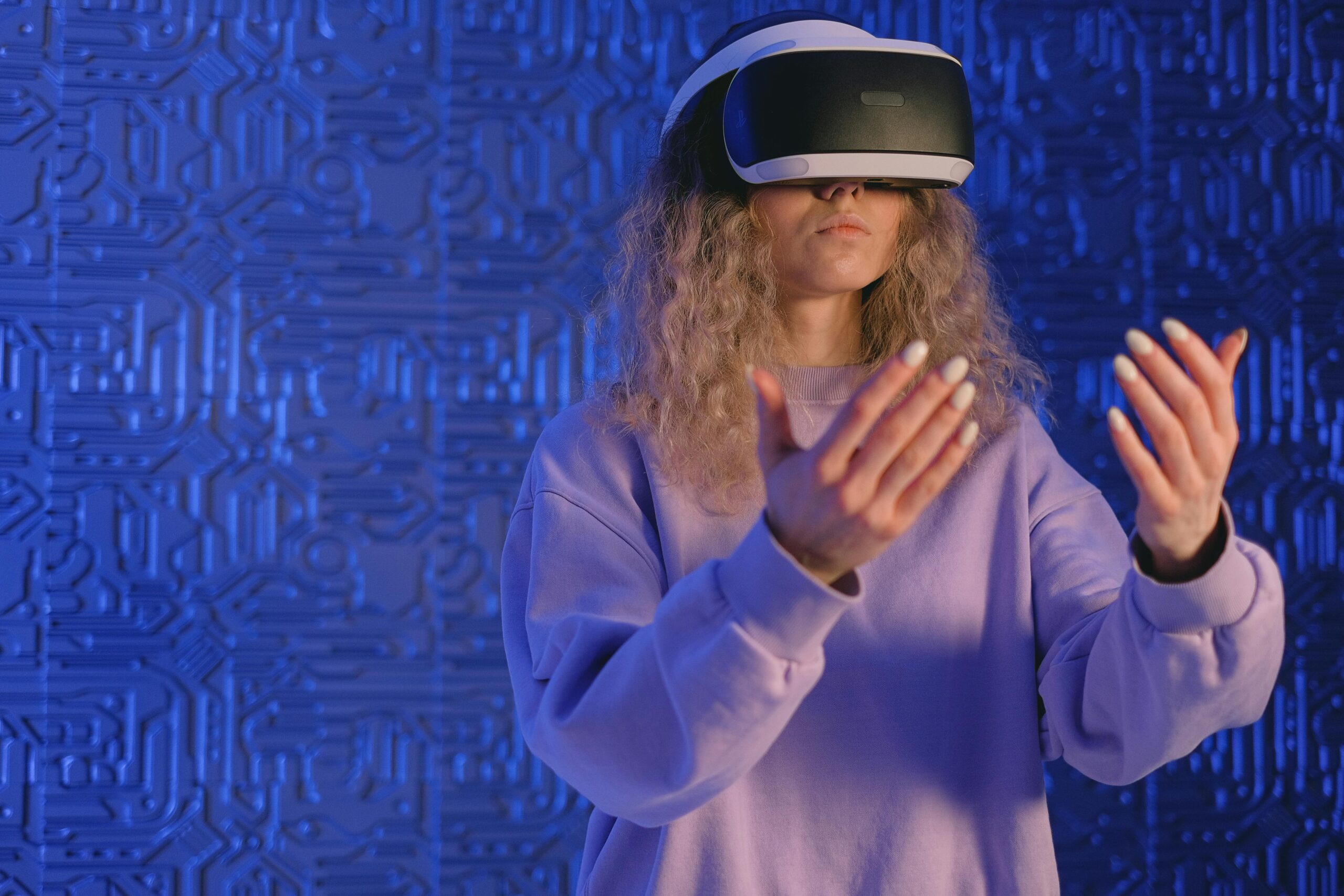
Augmented Reality is no longer a futuristic concept—it’s reshaping how brands connect with audiences today. By merging digital content with the physical world, AR transforms passive advertising into interactive journeys that captivate, educate, and convert.

Modern consumers crave experiences, not just messages. Traditional ads interrupt; AR ads invite participation. This shift represents a fundamental change in marketing philosophy, where engagement depth matters more than impression volume, and memorability trumps mere visibility.
🚀 The AR Marketing Revolution: Beyond Traditional Advertising
The advertising landscape has undergone seismic shifts over the past decade. While digital marketing moved brands from billboards to browsers, augmented reality pushes boundaries even further by creating dimensional experiences that exist between physical and digital realms.
Traditional advertising operates on a broadcast model—brands speak, audiences listen. Augmented reality flips this dynamic entirely. AR-powered campaigns transform consumers into active participants who manipulate, explore, and personalize brand content in real-time.
Consider the evolution: print ads required imagination to envision products in context. Television commercials added motion and narrative. Digital ads introduced interactivity through clicks. AR marketing completes this progression by allowing consumers to place products in their actual environment, try them virtually, and share these experiences seamlessly.
Why AR Resonates with Modern Consumers
Today’s audiences—particularly Gen Z and Millennials—demonstrate distinct preferences that align perfectly with AR capabilities. They value authenticity over polish, experiences over possessions, and participation over passive consumption.
AR marketing satisfies these preferences by offering tangible value. A furniture retailer’s AR app doesn’t just show a chair—it lets shoppers visualize that exact chair in their living room, checking dimensions, colors, and aesthetic fit. This practical utility drives engagement far beyond entertainment value alone.
📱 Core Technologies Powering AR Marketing Transformation
Understanding the technical foundation helps marketers leverage AR’s full potential. Several key technologies work in concert to create seamless augmented experiences.
Computer vision enables devices to recognize and interpret physical environments. Cameras become sensors that map spaces, identify surfaces, detect lighting conditions, and track movement. This environmental understanding allows digital objects to behave realistically—shadows fall correctly, objects rest on actual surfaces, and scale remains proportional.
Simultaneous Localization and Mapping (SLAM) technology helps devices understand their position within three-dimensional space. As users move their phones, SLAM algorithms continuously update the digital overlay’s position, creating the illusion that virtual objects occupy physical space.
Platform Evolution and Accessibility
Apple’s ARKit and Google’s ARCore have democratized AR development. These frameworks provide developers with powerful tools that once required specialized hardware and expertise. Now, standard smartphones deliver sophisticated AR experiences to billions of users worldwide.
WebAR technology eliminates even the app download barrier. Browser-based AR experiences launch instantly through URLs, reducing friction dramatically. This accessibility makes AR campaigns viable for businesses of all sizes, not just technology giants with unlimited budgets.
💡 Innovative AR Marketing Applications Across Industries
Different sectors leverage AR’s unique capabilities in creative ways, each solving specific customer challenges while building brand engagement.
Retail and E-Commerce Revolution
Virtual try-on experiences have transformed how consumers shop for cosmetics, eyewear, and fashion accessories. Beauty brands like Sephora and L’Oréal pioneered AR makeup applications that let customers test thousands of shades instantly without physical samples.
These applications solve genuine customer pain points. Shopping online for lipstick previously meant guessing how colors would look, leading to returns and dissatisfaction. AR try-on features provide confidence, reducing return rates while increasing conversion rates by double-digit percentages.
Furniture and home decor retailers have similarly embraced AR placement tools. IKEA’s AR application lets shoppers position true-to-scale furniture models in their homes, dramatically reducing purchase anxiety and return rates. The technology effectively brings showroom experiences into customer living rooms.
Automotive Industry Immersive Experiences
Car manufacturers use AR to showcase vehicles in showrooms and customer driveways. Potential buyers can explore different colors, wheel options, and trim levels by simply pointing their phone at a vehicle or designated space.
BMW’s AR app allows users to project full-scale vehicle models onto their driveways, walk around them, peer inside, and even open doors virtually. This capability proves especially valuable for luxury purchases where visualization significantly impacts buying decisions.
Entertainment and Media Engagement
Movie studios and streaming platforms create AR experiences that extend narratives beyond screens. Promotional campaigns transform posters into interactive portals, offering behind-the-scenes content, character interactions, and shareable photo opportunities.
These campaigns generate organic social media amplification. When users discover AR Easter eggs in promotional materials, they naturally share these experiences with friends, creating viral marketing loops that traditional ads cannot replicate.
🎯 Strategic Benefits: Why Brands Invest in AR Marketing
Augmented reality delivers measurable advantages that justify investment and align with core marketing objectives.
Enhanced Engagement Metrics
AR experiences command attention spans that traditional digital ads cannot match. While banner ads receive seconds of consideration, AR interactions average 75 seconds or more. This extended engagement creates deeper brand impressions and stronger memory formation.
Engagement depth translates to emotional connection. When consumers actively manipulate brand content—rotating products, changing colors, placing items in personal spaces—they develop ownership feelings that passive viewing cannot generate.
Conversion Rate Optimization
Multiple studies demonstrate AR’s impact on purchase decisions. Shopify reported that products with AR content see 94% higher conversion rates compared to products without. This dramatic improvement stems from increased confidence and reduced uncertainty.
Virtual try-before-buy experiences address the primary obstacle in online shopping: not knowing how products will actually look, fit, or function in real life. AR bridges this confidence gap, turning uncertain browsers into confident buyers.
Data Collection and Consumer Insights
AR interactions generate rich behavioral data. Brands learn which products users examine longest, which angles they prefer viewing, which customization options they select, and where engagement drops off.
This granular insight informs product development, inventory decisions, and marketing optimization. Unlike traditional advertising’s black box, AR provides transparent performance metrics tied directly to customer interest and intent.
📊 Creating Effective AR Marketing Campaigns
Success in AR marketing requires strategic planning, not just technological implementation. The most effective campaigns follow proven principles.
Define Clear Objectives
AR shouldn’t exist for novelty’s sake. Effective campaigns solve specific problems or enhance particular customer journey stages. Are you reducing return rates? Increasing brand awareness? Driving foot traffic? Different objectives demand different AR approaches.
A cosmetics brand might prioritize try-on features that reduce purchase hesitation. A quick-service restaurant might create AR games that build brand affinity with younger audiences. Aligning AR functionality with business goals ensures measurable ROI.
Prioritize User Experience Design
Technical capability means nothing if experiences frustrate users. Successful AR marketing feels intuitive, loads quickly, and delivers value within seconds. Complicated interfaces or slow performance destroy engagement regardless of creative ambition.
Consider onboarding carefully. First-time AR users need gentle guidance—subtle visual cues, simple instructions, and forgiving interfaces. Progressive disclosure reveals advanced features only after users master basics.
Integrate with Broader Marketing Ecosystem
AR experiences shouldn’t exist in isolation. The most successful campaigns integrate AR with social media, email marketing, physical retail, and content strategies. QR codes on packaging launch AR experiences. Social media posts tease AR features. Email campaigns drive traffic to AR-enabled product pages.
This integration creates multiple touchpoints that reinforce brand messages while accommodating different customer preferences and discovery patterns.
🌟 Real-World Success Stories and Case Studies
Examining successful AR campaigns reveals patterns and principles that brands can adapt.
Pepsi Max Bus Shelter Campaign
Pepsi transformed a London bus shelter into an AR experience that shocked commuters with unbelievable scenarios—meteors falling, tigers prowling, UFOs descending. The campaign generated millions of social shares and demonstrated AR’s viral potential when experiences surprise and delight.
The success stemmed from unexpected context. Commuters anticipated boring waits, not interactive entertainment. This contrast amplified impact and shareability.
Gucci Virtual Sneaker Try-On
Luxury brand Gucci launched AR sneaker try-on features that let customers virtually “wear” shoes through their smartphone cameras. The campaign particularly resonated with younger, digitally-native audiences who photograph their outfits regularly.
By meeting customers where they already spend time—on social media, taking photos—Gucci made AR adoption feel natural rather than forced. The feature drove both online sales and in-store visits as customers sought to purchase items they’d virtually tried.
LEGO AR Product Packaging
LEGO integrated AR into product packaging, allowing customers to see completed sets in action before opening boxes. This feature proved especially valuable in retail environments, helping parents and children preview play experiences.
The campaign reduced purchase regret while increasing excitement. Customers felt more confident in selections, and the AR preview actually enhanced anticipation rather than spoiling surprises.
⚡ Overcoming Implementation Challenges
Despite tremendous potential, AR marketing presents obstacles that require thoughtful solutions.
Technical Barriers and Device Fragmentation
Not all smartphones support advanced AR features equally. Older devices may struggle with performance, creating inconsistent experiences. Marketers must decide whether to optimize for cutting-edge capabilities or ensure baseline functionality across broader device ranges.
WebAR offers one solution, providing accessible experiences without app downloads, though sometimes with reduced capability compared to native applications. The tradeoff between reach and sophistication requires strategic consideration based on campaign goals.
Production Costs and Resource Requirements
Quality AR content demands investment in 3D modeling, animation, programming, and testing. While costs have decreased significantly, creating compelling experiences still requires more resources than traditional digital ads.
Starting with focused applications—single product visualization rather than entire catalogs—allows brands to test effectiveness before scaling investment. Many agencies now offer AR development services at various price points, making the technology accessible to mid-market brands.
User Adoption and Education
Despite growing familiarity, some consumers remain uncertain about how to use AR features. Clear instructions, intuitive design, and low-friction activation help overcome hesitation.
Social proof accelerates adoption. When users see friends engaging with AR experiences on social media, they become more willing to try themselves. Building shareability into AR campaigns creates self-sustaining adoption cycles.
🔮 Future Trends: What’s Next for AR Marketing
Augmented reality marketing continues evolving rapidly. Several emerging trends promise to expand possibilities even further.
Wearable AR Devices
Smart glasses from companies like Apple, Meta, and others will eventually bring AR into ambient computing. Instead of holding phones, consumers will access AR experiences through natural vision, making integration seamless and habitual.
This shift will enable persistent AR layers—store windows that recognize approaching customers and display personalized offers, or city streets where digital wayfinding appears naturally in fields of vision.
AI-Enhanced Personalization
Artificial intelligence will make AR experiences adaptive and personalized. AR shopping assistants might analyze your style preferences from previous purchases, then recommend products and show them virtually styled specifically for you.
This convergence of AR and AI creates marketing experiences that feel genuinely helpful rather than interruptive—solving problems and adding value instead of demanding attention.
Social AR and Collaborative Experiences
Multiplayer AR enables shared experiences where multiple users interact with the same virtual objects simultaneously. Brands might create AR scavenger hunts across cities, collaborative games, or shared viewing experiences that build community.
These social applications leverage fundamental human desires for connection and shared experience, making brand interactions memorable through collective participation.
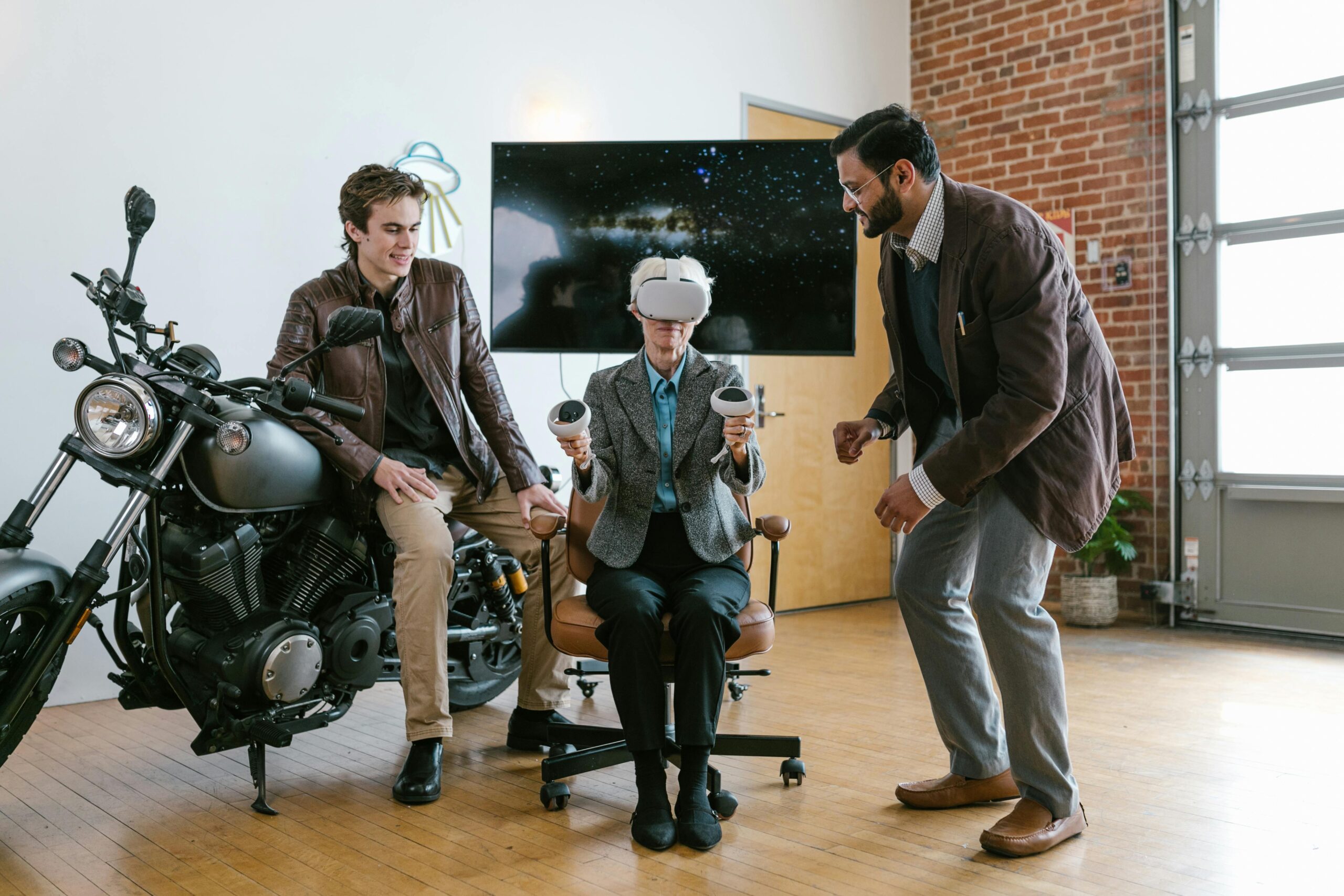
🎬 Making the Strategic Leap into AR Marketing
For brands considering AR investment, success requires balancing ambition with pragmatism. Start with pilot projects that address specific customer needs or pain points. Measure results rigorously, comparing engagement metrics, conversion rates, and customer feedback against traditional approaches.
Build internal expertise gradually. Partner with experienced AR developers initially, but invest in understanding the technology’s capabilities and limitations. This knowledge empowers better creative decisions and realistic expectation-setting.
Most importantly, remember that technology serves strategy, not vice versa. The most impressive AR experiences mean nothing if they don’t connect with genuine customer needs or advance business objectives. When augmented reality solves real problems and creates genuine value, it transforms from novelty into essential marketing infrastructure.
The brands winning with AR marketing share common traits: they experiment boldly while measuring carefully, they prioritize user experience over technical showmanship, and they integrate AR into broader marketing ecosystems rather than treating it as standalone tactics. As AR technology continues maturing and consumer adoption accelerates, these principles will separate transformative campaigns from forgettable gimmicks.