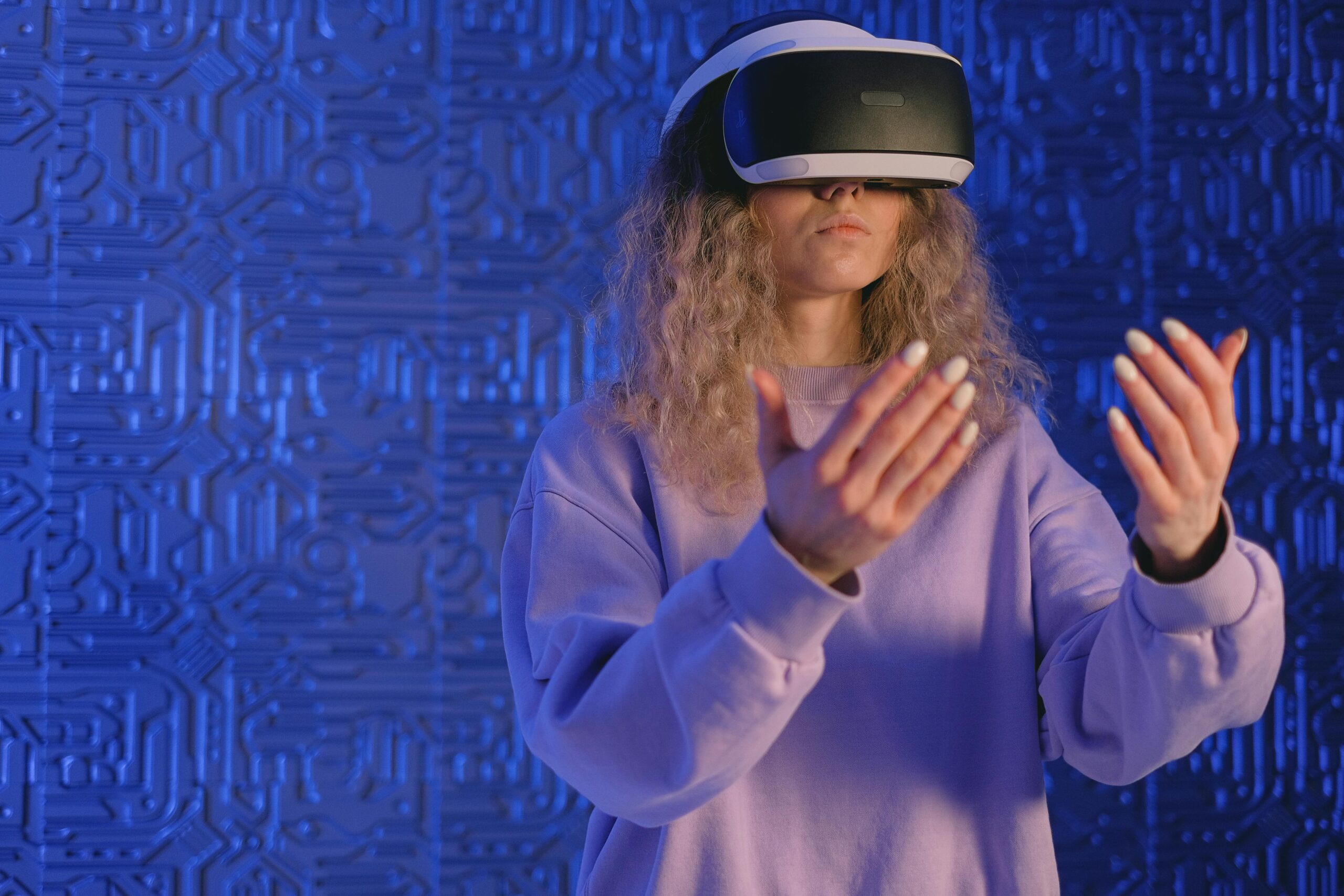
Shopping has entered a new dimension where digital and physical worlds merge seamlessly. Augmented Reality (AR) commerce is reshaping how consumers interact with products, eliminating uncertainty and transforming online shopping into an immersive, confident experience.

The traditional online shopping experience often leaves customers guessing about product fit, appearance, and functionality in their real-world environments. This gap between expectation and reality has historically led to high return rates, customer dissatisfaction, and hesitant purchasing decisions. AR technology bridges this divide by allowing shoppers to virtually place, try, and interact with products before committing to a purchase, fundamentally changing the retail landscape.
🛍️ The Rise of AR-Powered Shopping Experiences
Augmented reality has evolved from a novelty to a necessity in modern retail strategies. Major brands and retailers are investing heavily in AR capabilities, recognizing that today’s consumers demand more interactive and informative shopping experiences. The technology overlays digital information onto the physical world through smartphone cameras or AR glasses, creating hybrid experiences that feel both magical and practical.
The COVID-19 pandemic accelerated this transformation, as lockdowns and social distancing measures forced retailers to innovate rapidly. What started as a survival strategy has become a competitive advantage, with AR commerce proving its value beyond temporary circumstances. Consumers who experienced AR shopping during the pandemic continue to seek these enhanced experiences, raising expectations across the retail sector.
Statistics reveal the impact: studies show that products with AR experiences have conversion rates up to 94% higher than those without. Additionally, AR reduces return rates by helping customers make more informed decisions upfront. These metrics demonstrate that AR commerce isn’t just engaging—it’s profitable.
Virtual Try-On: Fashion and Beauty Redefined
The fashion and beauty industries have emerged as pioneers in AR adoption, solving one of online shopping’s biggest challenges: the inability to try before buying. Virtual try-on technology allows customers to see how clothing, accessories, makeup, and eyewear look on them without stepping into a physical store.
Cosmetics brands have implemented AR mirrors that let users test thousands of lipstick shades, eyeshadow combinations, and foundation tones in seconds. This technology analyzes facial features and applies products realistically, accounting for skin tone, lighting, and texture. The result is a personalized experience that rivals in-store consultations while offering unlimited experimentation without waste.
Eyewear retailers have similarly revolutionized their offerings through virtual try-on features. Customers can see how different frame styles, sizes, and colors complement their face shape and personal style. The technology measures facial dimensions to recommend properly fitting frames, reducing guesswork and increasing satisfaction.
Clothing and Accessories in Your Digital Wardrobe
Apparel brands face unique challenges with AR implementation due to the complexity of fabric movement, fit variations, and body diversity. However, advances in body scanning and 3D modeling have made virtual clothing try-ons increasingly realistic. Some platforms create personalized avatars based on customer measurements, allowing shoppers to see how garments will fit their specific body type.
Footwear brands have developed AR applications that project shoes onto customers’ feet in real-time, showing accurate sizing and style compatibility. This technology addresses common concerns about comfort, width, and aesthetic appeal, particularly important for online-only releases of limited-edition sneakers.
🏡 Furniture and Home Décor Visualization
Perhaps no category has benefited more from AR commerce than furniture and home décor. The “will it fit?” question that haunts furniture shopping has been definitively answered through spatial visualization technology. Customers can now place virtual furniture in their actual rooms, viewing products at true scale with accurate colors and textures.
Major furniture retailers have developed sophisticated AR applications that use smartphone cameras to map room dimensions and lighting conditions. These apps allow users to browse entire catalogs and instantly visualize how each item appears in their space. The technology accounts for shadows, reflections, and ambient lighting, creating surprisingly realistic previews.
This capability extends beyond individual items to entire room designs. Customers can experiment with different furniture arrangements, color schemes, and décor combinations before making any purchases. This holistic approach to interior design democratizes professional-level planning, making it accessible to everyone with a smartphone.
Technical Precision Meets Creative Freedom
Behind the scenes, AR furniture visualization relies on sophisticated 3D modeling and spatial recognition algorithms. Products must be meticulously rendered to capture material properties—the grain of wood, the texture of fabric, the reflectivity of metal. This attention to detail ensures that what customers see virtually matches what arrives at their doorstep.
Room measurement features use LiDAR sensors (on compatible devices) or advanced photogrammetry to create accurate spatial maps. This precision prevents the frustrating scenario of ordering furniture that doesn’t fit through doorways or overwhelms a room’s proportions.
Automotive Industry Embraces Virtual Showrooms
Car buying, traditionally a tactile and emotional experience centered around dealership visits, has been transformed by AR technology. Automotive brands now offer virtual showrooms where customers can explore vehicle exteriors and interiors in remarkable detail without leaving home.
AR automotive experiences allow potential buyers to customize everything from paint colors to wheel designs to interior upholstery, viewing changes in real-time. Some applications enable users to place life-size virtual vehicles in their driveways or garages, helping them visualize ownership before commitment.
Beyond aesthetics, AR provides educational value by highlighting technical features, safety systems, and engineering innovations through interactive overlays. Pointing a device at different parts of a virtual vehicle reveals specifications, operation instructions, and comparison data, creating informed buyers.
📱 Interactive Product Demonstrations and Education
AR commerce excels at explaining complex products through immersive demonstrations. Electronics, appliances, and technical equipment benefit enormously from AR experiences that show functionality, assembly instructions, and feature demonstrations in three-dimensional space.
Consumer electronics brands use AR to showcase product capabilities interactively. Instead of reading about a camera’s features in text descriptions, customers can see virtual cameras in their hands, explore controls, and watch simulated photo quality demonstrations. This hands-on approach builds understanding and confidence.
Home appliance manufacturers provide AR assembly and installation previews, helping customers understand setup requirements before purchase. Visualizing where a refrigerator will fit, how a washing machine connects, or whether a television mount works with existing wall configurations eliminates many post-purchase frustrations.
Educational Value Beyond Sales
The educational aspect of AR extends product lifecycles beyond the initial sale. Brands embed AR experiences in packaging and manuals, offering setup guidance, troubleshooting assistance, and feature tutorials. Scanning a product with an AR-enabled app can reveal maintenance tips, warranty information, and upgrade suggestions.
This ongoing relationship between brands and customers builds loyalty while reducing support costs. When customers can self-serve through AR guidance, they feel more confident and capable, strengthening their connection to the brand.
🎮 Gamification and Engagement Strategies
Savvy retailers are incorporating gamification elements into AR shopping experiences to boost engagement and entertainment value. Scavenger hunts, virtual rewards, and interactive challenges transform shopping from a transactional activity into an enjoyable experience worth sharing.
Beauty brands create virtual makeup challenges where users can recreate celebrity looks or experiment with avant-garde styles. Fashion retailers host virtual styling competitions. These playful approaches increase time spent with brand content while generating social media sharing and word-of-mouth marketing.
Loyalty programs are evolving through AR integration, offering exclusive virtual products, early access to AR features, or special effects available only to repeat customers. This digital exclusivity creates new value propositions beyond traditional discounts.
Technical Infrastructure Powering AR Commerce
The seamless AR experiences consumers enjoy rely on sophisticated technical infrastructure. WebAR technology enables AR experiences directly through web browsers without requiring app downloads, reducing friction and expanding accessibility. This approach is particularly valuable for small-to-medium retailers who want AR capabilities without developing dedicated applications.
Cloud-based rendering allows complex 3D models to be streamed to devices efficiently, ensuring smooth performance even on mid-range smartphones. Edge computing reduces latency, making AR interactions feel instantaneous and natural. These technical advances democratize AR commerce, making it viable for businesses of all sizes.
Integration with E-Commerce Platforms
Modern e-commerce platforms increasingly offer built-in AR capabilities or easy integration with AR service providers. Shopify, WooCommerce, and other major platforms provide plugins and extensions that enable retailers to add AR visualization to their product pages with minimal technical expertise.
This ecosystem approach accelerates AR adoption by removing technical barriers. Retailers can focus on creating quality 3D product models while leveraging established AR frameworks for delivery and interaction management.
🌍 Social Commerce and AR Integration
Social media platforms have become AR commerce battlegrounds, with Instagram, Snapchat, TikTok, and Facebook offering robust AR effects and shopping integrations. Brands create filters and lenses that double as product try-on experiences, blending entertainment with commerce seamlessly.
Influencer marketing gains new dimensions through AR, as content creators showcase products using AR try-on features in their posts and stories. This authentic demonstration combines social proof with interactive capability, driving both engagement and conversions.
Social AR experiences are inherently shareable, creating viral potential for compelling implementations. When users discover an entertaining or useful AR feature, they naturally share it with friends, creating organic marketing amplification impossible with traditional advertising.
Overcoming Implementation Challenges
Despite tremendous potential, AR commerce faces implementation hurdles. Creating high-quality 3D models requires investment in photography, rendering software, and skilled personnel. Maintaining accuracy across thousands of SKUs demands systematic workflows and quality control processes.
Device fragmentation presents another challenge, as AR capabilities vary significantly across smartphone models, operating systems, and browsers. Ensuring consistent experiences requires extensive testing and sometimes creating multiple versions of AR content for different platforms.
User adoption, while growing, isn’t universal. Some customer segments remain unfamiliar with AR features or hesitant to use them. Retailers must balance investment in AR with maintaining traditional shopping options, creating inclusive experiences that serve diverse customer preferences.
Privacy and Data Considerations
AR applications often request camera access and collect spatial data about users’ environments, raising privacy concerns. Transparent data policies, minimal data collection, and clear value propositions help build trust. Regulations like GDPR and CCPA impose requirements that AR commerce implementations must respect.
Building customer confidence requires demonstrating that AR features enhance experiences without exploiting personal information. Brands that prioritize privacy-conscious AR implementations gain competitive advantages as consumers become more privacy-aware.
📊 Measuring AR Commerce Success
Retailers track various metrics to assess AR commerce effectiveness. Beyond obvious indicators like conversion rates and return reduction, sophisticated analytics examine engagement depth—how long users interact with AR features, which products receive most virtual interactions, and where users abandon experiences.
A/B testing compares conversion rates between traditional product pages and AR-enhanced versions, quantifying business impact. Heat mapping reveals which product angles and features receive most attention in AR mode, informing both AR development and broader marketing strategies.
| Metric | Traditional Shopping | AR-Enhanced Shopping |
|---|---|---|
| Average Conversion Rate | 2-3% | 4-6% |
| Return Rate | 20-30% | 10-15% |
| Time on Product Page | 45 seconds | 2-3 minutes |
| Customer Confidence Score | 65% | 85% |
Future Horizons: What’s Next for AR Commerce
The AR commerce revolution continues accelerating with emerging technologies. Wearable AR glasses promise hands-free shopping experiences with persistent digital overlays. As these devices become mainstream, shopping could evolve into continuous, context-aware experiences rather than discrete sessions.
Artificial intelligence integration will personalize AR experiences dynamically, suggesting products based on style preferences, past purchases, and real-time context. Imagine AR applications that recognize your existing furniture and suggest complementary pieces automatically, or virtual wardrobes that recommend outfits for upcoming calendar events.
Haptic feedback technology will add tactile dimensions to AR shopping, letting customers “feel” fabric textures, product weights, and material qualities through specialized gloves or smartphone accessories. This sensory expansion brings AR commerce closer to matching physical shopping experiences.
Collaborative and Social Shopping Evolution
Future AR commerce will emphasize social and collaborative elements. Friends and family members could join virtual shopping sessions regardless of physical location, providing real-time opinions on furniture arrangements or outfit choices. Virtual shopping parties might replace traditional mall trips, combining social connection with retail therapy.
Virtual showrooms could host live events with brand representatives, influencers, or designers offering guided tours and personalized recommendations through AR interfaces. These hybrid experiences blend e-commerce convenience with personal service traditionally available only in premium physical stores.

🚀 Transforming Customer Relationships
Ultimately, AR commerce represents more than technological innovation—it’s a fundamental shift in customer relationships. By reducing uncertainty, increasing confidence, and making shopping more engaging, AR builds trust between brands and consumers. This trust translates into loyalty, advocacy, and long-term value that extends far beyond individual transactions.
The try-before-you-buy capability that AR enables fulfills a basic consumer desire while addressing practical concerns. It respects customers’ time, reduces frustration, and demonstrates brand confidence in product quality. These psychological benefits create positive associations that influence brand perception holistically.
As AR commerce matures from cutting-edge innovation to standard expectation, businesses that invested early will enjoy established expertise and customer relationships. The technology has proven its value across industries, demographics, and product categories. The question is no longer whether AR belongs in commerce, but how quickly retailers can implement it effectively.
The shopping transformation driven by AR commerce and immersive visualization represents a rare convergence of technological capability, consumer demand, and business value. As hardware improves, software sophistication increases, and adoption spreads, AR shopping experiences will become indistinguishable from magic—intuitive, delightful, and essential to modern retail. The future of shopping isn’t coming; it’s already here, waiting to be explored through the cameras in our pockets and the imagination in our minds.