Imagine navigating unfamiliar cities with confidence, where digital information seamlessly overlays your real-world view, guiding you step-by-step through complex streets, transit systems, and landmarks.

Augmented reality navigation is transforming how we explore the world, merging cutting-edge technology with practical travel needs. This innovation eliminates the frustration of getting lost, misreading maps, or missing crucial turns by placing directional cues directly into your field of vision. Whether you’re commuting daily or exploring exotic destinations, AR navigation assistance is revolutionizing the travel experience for millions of people worldwide. 🌍
Understanding the AR Navigation Revolution
Augmented reality navigation represents a fundamental shift from traditional GPS systems. Instead of forcing travelers to constantly glance between their smartphone screens and the surrounding environment, AR technology superimposes directional arrows, location markers, and relevant information directly onto live camera views of the real world.
This technology leverages sophisticated sensors including accelerometers, gyroscopes, GPS receivers, and advanced computer vision algorithms to accurately understand your position and orientation. The result is an intuitive navigation experience that feels natural and requires minimal cognitive effort compared to interpreting abstract map representations.
Major technology companies have invested billions in developing AR navigation platforms, recognizing that this represents the future of location-based services. The technology has matured rapidly, with current systems offering remarkable accuracy even in challenging environments like dense urban canyons or indoor spaces where traditional GPS signals struggle.
How AR Navigation Transforms Your Travel Experience
Traditional navigation systems require constant mental translation between map representations and physical surroundings. This cognitive burden increases stress, particularly in unfamiliar environments where landmarks are unknown and street layouts are confusing.
AR navigation eliminates this translation step entirely. When you hold your phone up or wear AR-enabled glasses, you see directional indicators overlaid precisely where you need to go. A virtual arrow might appear floating above the street, pointing toward your next turn, while distance information updates in real-time as you walk.
This intuitive approach significantly reduces navigation errors. Studies have shown that travelers using AR navigation systems make wrong turns up to 60% less frequently than those using traditional map-based apps. The technology is particularly beneficial for pedestrians navigating complex urban environments with multiple levels, confusing intersections, and similar-looking streets.
Enhanced Situational Awareness
Unlike traditional navigation that demands screen attention, AR systems encourage users to keep their heads up and maintain awareness of their surroundings. This enhanced situational awareness improves safety, allowing travelers to notice traffic, obstacles, and potential hazards while simultaneously receiving navigation guidance.
The technology intelligently fades or intensifies visual elements based on environmental conditions and user needs. In crowded areas, the system might simplify visual overlays to reduce distraction, while in open spaces with fewer landmarks, it might provide more detailed information to ensure confidence in your chosen route.
Key Features of Modern AR Navigation Systems
Contemporary AR navigation platforms incorporate numerous features designed to enhance the travel experience beyond simple turn-by-turn directions. Understanding these capabilities helps travelers maximize the benefits of this technology.
Live View Navigation 📱
The foundational feature of AR navigation is live view functionality, which combines your phone’s camera feed with overlaid directional information. This creates an augmented perspective where virtual navigation elements appear anchored to real-world locations with impressive stability and accuracy.
Advanced systems use machine learning to recognize buildings, landmarks, and street features, improving positioning accuracy beyond what GPS alone can achieve. This visual positioning system proves especially valuable in urban environments where GPS signals may be blocked or reflected by tall buildings.
Points of Interest Integration
AR navigation doesn’t just show you where to go—it reveals what’s around you. When you point your device toward nearby businesses, restaurants, or attractions, relevant information appears overlaid on the actual storefronts and locations.
This contextual information might include business hours, customer ratings, popular menu items, or current wait times. The integration transforms casual exploration into informed discovery, helping travelers make better decisions about where to eat, shop, or visit without extensive research.
Indoor Navigation Capabilities
One of AR navigation’s most valuable features addresses a long-standing limitation of traditional GPS: indoor positioning. Modern AR systems can guide users through airports, shopping malls, museums, and other complex indoor spaces where satellite signals don’t penetrate.
These systems use a combination of WiFi positioning, Bluetooth beacons, visual markers, and architectural mapping to maintain accurate positioning indoors. For travelers navigating unfamiliar airports or massive transit stations, this capability eliminates significant stress and reduces the risk of missing flights or connections.
Popular AR Navigation Applications Reshaping Travel
Several applications have emerged as leaders in bringing AR navigation to everyday travelers. Each offers unique features and approaches to augmented wayfinding.
Google Maps Live View
Google Maps pioneered mainstream AR navigation with its Live View feature, which overlays walking directions onto camera views of your surroundings. The system uses Google’s extensive Street View database and machine learning to identify your precise location and orientation.
The application includes helpful features like a virtual guide character that appears when you first activate Live View, providing reassuring feedback about your location accuracy. The system works in numerous cities worldwide and continues expanding its coverage and capabilities with regular updates.
Specialized AR Navigation Tools
Beyond general-purpose mapping applications, specialized AR navigation tools target specific travel scenarios. Some focus on hiking and outdoor recreation, overlaying trail information and topographic data onto mountain vistas. Others specialize in public transportation, helping users navigate complex metro systems with visual indicators for platform locations and exit routes.
Tourism-focused AR apps enhance sightseeing experiences by recognizing famous landmarks and providing historical information, architectural details, or augmented reconstructions of how locations appeared in different eras. This educational dimension transforms navigation from merely functional to genuinely enriching.
The Technology Behind Seamless AR Navigation
Understanding the technological foundation of AR navigation helps appreciate both its capabilities and limitations. Multiple sophisticated systems work in concert to create the seamless experience users enjoy.
Computer Vision and Visual Positioning
Modern AR navigation systems employ advanced computer vision algorithms that can identify and track real-world features in camera images. By comparing what your camera sees with databases of geotagged imagery, these systems determine your precise position and orientation with remarkable accuracy.
This visual positioning system (VPS) functions similarly to how humans navigate—by recognizing familiar landmarks and features. The technology can achieve positioning accuracy within centimeters, far exceeding traditional GPS capabilities, which typically offer accuracy measured in meters.
Sensor Fusion and Environmental Understanding
AR navigation platforms combine data from multiple sensors to build a comprehensive understanding of your movement and environment. GPS provides general location, accelerometers detect movement and orientation changes, gyroscopes track rotation, and magnetometers determine compass direction.
Advanced systems also incorporate depth sensors and LiDAR technology (in equipped devices) to understand three-dimensional space, detect obstacles, and accurately place virtual objects at appropriate distances. This sensor fusion creates robust positioning that remains stable even when individual sensors provide imperfect data.
Benefits That Make AR Navigation Indispensable
The advantages of AR navigation extend beyond mere convenience, touching on safety, efficiency, and the overall quality of travel experiences.
Reduced Navigation Stress and Anxiety
Travel anxiety often stems from fear of getting lost or missing important locations. AR navigation provides continuous, reassuring confirmation that you’re heading the right direction. The immediate visual feedback reduces the mental burden of navigation, allowing travelers to relax and enjoy their journey rather than constantly second-guessing their choices.
This psychological benefit proves particularly valuable for travelers with anxiety disorders or those visiting countries where they don’t speak the local language. The visual nature of AR guidance transcends language barriers in ways that text-based directions cannot.
Time Efficiency and Productivity ⏱️
Wrong turns and navigation confusion waste valuable time during travel. AR navigation’s superior accuracy translates directly into time savings, helping travelers reach destinations via optimal routes without detours or backtracking.
Business travelers particularly benefit from this efficiency. Arriving punctually for meetings and appointments without the stress of potentially getting lost allows professionals to maintain composure and focus on their work objectives rather than navigation challenges.
Enhanced Accessibility for All Travelers
AR navigation democratizes travel by making unfamiliar environments more accessible to everyone. Elderly travelers, people with cognitive challenges, and those who struggle with traditional map reading find AR systems significantly easier to use and understand.
The technology also supports travelers with visual impairments through audio augmentation features that provide detailed spoken directions coordinated with the visual elements. Some systems vibrate at specific intervals to indicate upcoming turns, creating a multimodal navigation experience that accommodates diverse needs.
Overcoming Challenges and Limitations
Despite its impressive capabilities, AR navigation technology faces certain challenges that users should understand to set appropriate expectations and use the systems effectively.
Battery Consumption Considerations
AR navigation is processor-intensive, utilizing camera feeds, GPS, multiple sensors, and display screens simultaneously. This multitasking drains smartphone batteries significantly faster than traditional map applications.
Savvy travelers mitigate this limitation by carrying portable battery packs, using AR navigation selectively at critical junctures rather than continuously, or investing in battery cases that extend device runtime. As smartphone battery technology improves, this limitation continues to diminish gradually.
Weather and Environmental Factors
AR navigation systems that rely on camera-based visual positioning can struggle in certain environmental conditions. Heavy rain, fog, snow, or extremely bright sunlight may degrade camera image quality and reduce the system’s ability to recognize visual landmarks accurately.
Most modern systems gracefully handle these situations by falling back on traditional GPS positioning and providing clearer warnings when visual tracking confidence is low. Users should recognize these limitations and maintain awareness of alternative navigation methods when weather conditions are challenging.
Privacy and Data Security Considerations 🔒
AR navigation systems collect significant amounts of data, including precise location histories, camera images of surroundings, and behavioral patterns. Understanding privacy implications helps users make informed decisions about which applications to trust and how to configure privacy settings appropriately.
Reputable AR navigation providers implement strong encryption for data transmission and storage, provide clear privacy policies explaining data usage, and offer controls allowing users to limit data collection or delete historical information. Before using any AR navigation application, travelers should review its privacy practices and adjust settings to match their comfort level.
Some privacy-conscious users prefer AR navigation apps that process data locally on devices rather than sending information to cloud servers. While these applications may offer fewer features than cloud-powered alternatives, they provide greater assurance that sensitive location data remains private.
The Future of AR Navigation Technology
AR navigation continues evolving rapidly, with emerging technologies promising even more sophisticated capabilities that will further transform travel experiences.
Wearable AR Devices and Smart Glasses
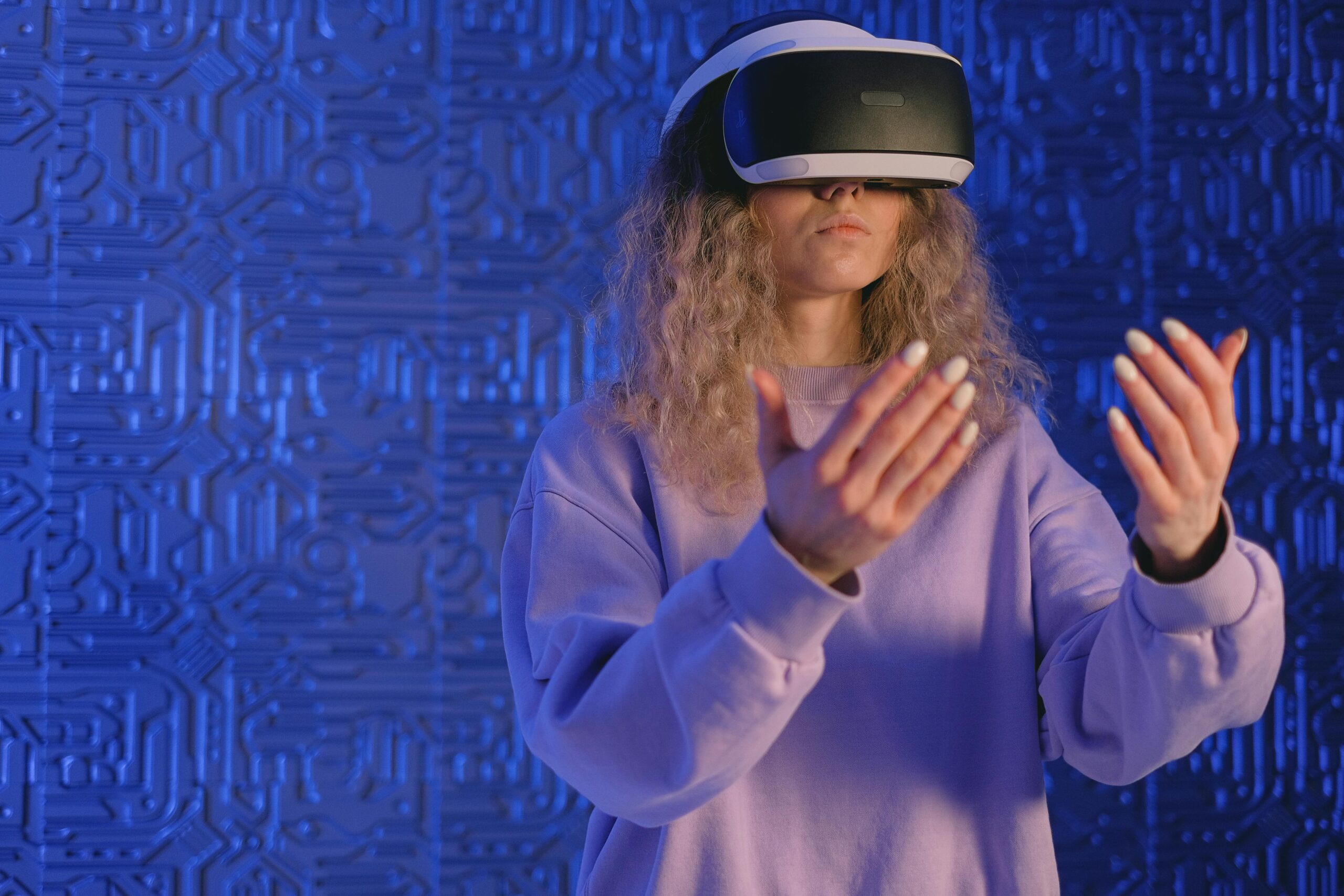
The next evolution in AR navigation involves moving beyond smartphones to dedicated wearable devices. Smart glasses with transparent displays can project navigation information directly into your field of vision without requiring you to hold a device.
Several companies are developing consumer-ready AR glasses specifically designed for navigation and travel assistance. These devices promise hands-free operation, longer battery life than smartphone-based solutions, and more natural integration of digital information with the physical world.
Artificial Intelligence Enhancement
Machine learning algorithms are making AR navigation systems increasingly intelligent and personalized. Future systems will learn individual preferences, anticipate needs based on context and historical behavior, and proactively suggest routes, stops, or experiences aligned with personal interests.
AI-powered navigation might notice you typically prefer quieter streets and automatically route you away from busy thoroughfares, or recognize you enjoy particular cuisine types and highlight relevant restaurants along your route. This personalization transforms navigation from a purely functional tool into a intelligent travel companion.
Integration with Smart City Infrastructure
As cities worldwide deploy smart infrastructure with interconnected sensors and communication systems, AR navigation will access real-time data about traffic conditions, public transportation status, crowd density, and environmental factors with unprecedented accuracy and immediacy.
This integration will enable dynamic route optimization that adapts instantly to changing conditions, ensuring travelers always take the most efficient path to their destinations. AR systems might guide you to less crowded subway cars, recommend optimal times to visit popular attractions, or reroute you around unexpected obstacles before you encounter them.
Making the Most of AR Navigation on Your Next Journey ✈️
To maximize benefits from AR navigation technology, travelers should adopt several best practices that enhance effectiveness and minimize potential drawbacks.
Before departing on trips, download offline maps for your destination areas. While AR features typically require internet connectivity, having offline map data ensures basic navigation remains available if connectivity becomes unavailable. Familiarize yourself with your chosen AR navigation app’s interface and features in familiar surroundings before relying on it in unfamiliar locations.
Use AR navigation strategically rather than continuously. Activate the AR view when approaching complex intersections, confusing areas, or when you need confirmation you’re heading correctly, then switch back to traditional map views during straightforward portions of your journey to conserve battery life and reduce cognitive load.
Maintain awareness that technology occasionally fails or provides inaccurate information. Trust but verify AR navigation guidance by cross-referencing with physical landmarks, street signs, and common sense. This balanced approach combines technology’s benefits with human judgment, ensuring optimal navigation outcomes.

Embracing the Navigation Revolution
AR navigation represents more than incremental improvement over previous technologies—it fundamentally reimagines how humans interact with spatial information and navigate environments. By bridging the gap between digital data and physical reality, this technology makes travel more intuitive, efficient, and enjoyable for millions of people worldwide.
As the technology matures and becomes increasingly sophisticated, AR navigation will evolve from a helpful tool into an indispensable travel companion. Early adopters who embrace these systems now position themselves to benefit immediately while developing skills that will remain valuable as the technology continues advancing.
The revolution in travel assistance has arrived, offering unprecedented capabilities to anyone with a smartphone and curiosity about the world. Whether you’re commuting across town or exploring distant continents, cutting-edge AR navigation assistance makes every journey smoother, smarter, and more rewarding. The future of travel is augmented, and that future is already here. 🚀